Shinnecock Pow-Wow

The Shinnecock Powwow stands as one of the most anticipated cultural gatherings in the Northeast, returning once again in 2025 for its 79th annual celebration. Held over Labor Day weekend on the Shinnecock Reservation in Southampton, Long Island, the powwow has become both a local tradition and a nationally recognized cultural event. With deep roots in Indigenous ceremony and community, the gathering serves as a showcase of Native pride and resilience while welcoming visitors from across the country.
This four-day event has long been considered one of the top powwows in North America, drawing dancers, drummers, artisans, and spectators alike. More than just a festival, the powwow is a living expression of Shinnecock culture, one that has been carefully preserved and shared since the event’s formal founding in 1946. Today, it offers a blend of ceremonial reverence and lively competition, reflecting both the endurance of Native traditions and their ability to thrive in a modern context.
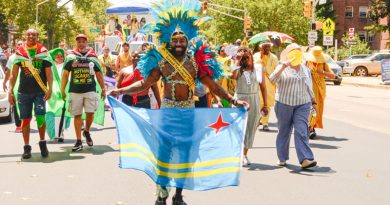
The weekend began on Friday afternoon, when the gates open to welcome thousands of visitors. That evening, the first Grand Entry takes place, a breathtaking moment in which dancers in full regalia, tribal leaders, and honored guests process into the arena. With the sound of drums resonating across the grounds, the Grand Entry symbolizes both respect for ancestors and unity among nations. It is a ceremonial beginning that sets the tone for the entire powwow.
Throughout Saturday and Sunday, the powwow grounds came alive from morning until night. Each day features two Grand Entries—one in the afternoon and one in the evening—giving attendees multiple opportunities to experience this powerful tradition. The days are filled with dance and drum competitions, cultural exhibitions, and community gatherings, offering a rich tapestry of experiences for visitors to explore. Monday, the closing day, brings a final Grand Entry in the afternoon before the powwow concludes in the early evening.
A highlight of the celebration is the range of dance competitions, which showcase traditional, grass, fancy, and jingle dress styles, among others. Dancers of all ages participate, from tiny tots to elders, each bringing their own artistry and spirit to the circle. The energy of the dancers, combined with the heartbeat-like rhythm of the drums, creates a mesmerizing atmosphere that draws both participants and audiences into the cultural moment.
The drumming competitions are equally significant, as they represent the powwow’s musical core. Drum groups from across Indian Country gather to perform songs that honor tradition while also reflecting contemporary Native creativity. These competitions are fiercely contested, with large prizes awarded, but they are also deeply communal, as drummers sing not just for recognition but for the spiritual and cultural strength of the gathering.
For many attendees, the artisan marketplace is an essential part of the experience. Vendors travel from across the country to showcase and sell traditional beadwork, pottery, carvings, textiles, and other handmade creations. This marketplace is more than a shopping opportunity; it is a chance to engage directly with Native artists, learn about their craft, and support their livelihoods. Food vendors also bring flavors both traditional and contemporary, with frybread and other Indigenous specialties serving as favorites year after year.
Each evening, the powwow grounds are illuminated by a symbolic fire lighting ceremony, an event that blends spiritual reflection with communal gathering. The fire becomes a focal point of connection, marking the day’s end while renewing the powwow’s sense of purpose. It is during these moments, as the sun sets and the drums fade, that many attendees describe feeling most connected to the spiritual dimensions of the celebration.
The powwow is also a vital source of economic support for the Shinnecock Nation. Ticket sales, vendor fees, and competition prizes all contribute to sustaining tribal programs and cultural preservation efforts. With thousands of visitors attending each year, the powwow also provides a significant boost to the local economy in Southampton, benefiting hotels, restaurants, and businesses throughout the region.
Equally important is the powwow’s role in cultural education. For non-Native visitors, it offers a rare opportunity to experience Indigenous traditions firsthand and to engage in respectful dialogue with Native communities. For the Shinnecock and other Indigenous peoples, it is a reaffirmation of identity, history, and cultural survival. The event fosters intergenerational learning, as young dancers and artisans carry forward the traditions of their ancestors while adapting them to a contemporary world.
The scale of the Shinnecock Powwow, with prize money totaling more than $50,000 for dance and drum competitions, reflects its prestige in the powwow circuit. Yet its deeper meaning lies in the continuity of a people who have remained rooted in their ancestral homeland for thousands of years. The Shinnecock Nation has endured colonization, land loss, and systemic inequities, yet the powwow demonstrates their ongoing presence and resilience.
Looking ahead, the 2025 powwow promises to be both a celebration and a statement. It is a celebration of culture, artistry, and community, but also a statement of survival, sovereignty, and pride. For those who attend, whether Shinnecock tribal members, fellow Native nations, or visitors from afar, the powwow offers a powerful reminder that Indigenous cultures are not only alive but flourishing, with the Shinnecock Nation leading the way.