The Lasting Legacy of Roy Hargrove
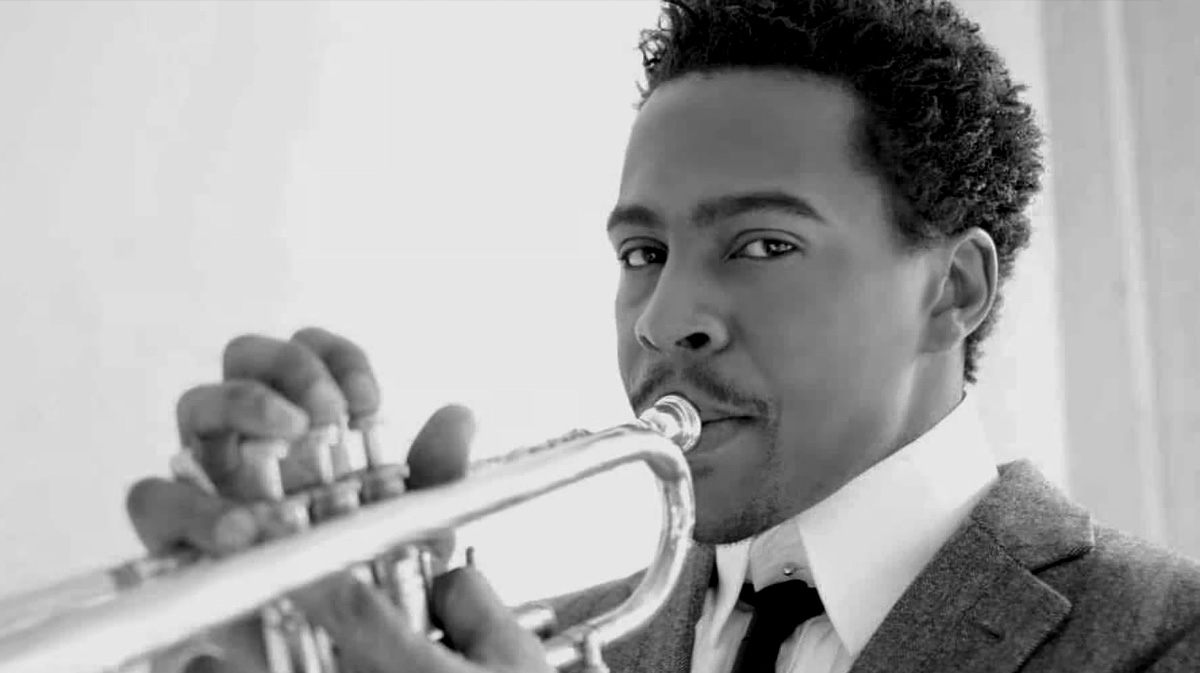
Roy Hargrove was a profound influence in the world of jazz, known for his virtuosic trumpet playing and innovative compositions. Born on October 16, 1969, in Waco, Texas, he emerged as a pivotal figure in bridging traditional jazz with contemporary styles. Hargrove’s musical journey began in his childhood, influenced by his father’s love for music. He started playing the trumpet at a young age, and his formal training at the Berklee College of Music helped him refine his skills and expand his musical horizons.
In the 1990s, Hargrove became a leading force in the hard bop revival, a movement that sought to bring back the essence of jazz while infusing it with modern sensibilities. His albums, including “The Vibe” and “With the Tenors of Our Time,” showcased his ability to blend traditional jazz elements with contemporary influences. This unique blend resonated with both purists and new listeners, allowing him to carve out a distinct niche in the jazz landscape.
Collaboration was a cornerstone of Hargrove’s career, and he worked with a diverse array of musicians, including jazz legends like Herbie Hancock and Wynton Marsalis. These partnerships not only enhanced his artistry but also contributed to the richness of the jazz community. In 1990, he formed the Roy Hargrove Quintet, which became a significant platform for his compositions and arrangements. The band’s dynamic performances, paired with Hargrove’s charismatic stage presence, attracted a dedicated following and solidified his reputation as a leading voice in jazz.
Hargrove’s incredible talent earned him multiple Grammy Awards, affirming his status as a premier artist in the genre. His wins for albums such as “Family” and “Directions in Music” highlighted his versatility and creativity. These accolades not only recognized his individual contributions but also celebrated the collaborative spirit that characterized his work, showcasing the importance of community in jazz.
A defining aspect of Hargrove’s music was his fusion of genres. He seamlessly incorporated elements of hip-hop, R&B, and Latin music into his jazz compositions, demonstrating an innovative spirit that appealed to a wide range of listeners. This genre-blending approach not only broadened his audience but also challenged traditional boundaries within jazz, encouraging other musicians to explore new musical landscapes.
Hargrove was also a passionate mentor to young musicians. He frequently participated in workshops and masterclasses, sharing his knowledge and passion for jazz, which influenced a new generation of artists. His commitment to education left an enduring legacy in jazz studies, evident in college curricula and programs that emphasize creativity and innovation in performance. Hargrove believed in the transformative power of music, and he worked tirelessly to inspire others to pursue their artistic dreams.
Through his compositions, Hargrove often addressed social and political issues, reflecting a deep awareness of the world around him. His music served as a medium for commentary and connection, emphasizing the role of jazz in expressing the complexities of life. This engagement with social themes enriched his work, making it not only entertaining but also thought-provoking.
The album “Directions in Music,” featuring Hargrove alongside Hancock and Marsalis, was a landmark project that celebrated the evolution of jazz while honoring its roots. This collaboration emphasized the importance of dialogue between different jazz traditions, showcasing Hargrove’s ability to navigate and unite various musical styles. The album became a testament to the power of collaboration, illustrating how diverse influences could come together to create something truly exceptional.
Hargrove’s international tours further expanded his reach, allowing his music to touch audiences worldwide. These performances not only showcased his talent but also fostered cultural exchange, promoting jazz as a universal language. His ability to connect with people from different backgrounds underscored the communal nature of jazz, reinforcing its role as a vehicle for unity and understanding.
Despite facing health challenges in his later years, Hargrove remained resilient and continued to perform, inspiring those around him. His unwavering spirit resonated with fans and fellow musicians alike, showcasing the power of passion and commitment to one’s craft. Hargrove’s journey exemplifies the idea that music can serve as a source of strength and healing, even in difficult times.
Roy Hargrove passed away on November 2, 2018, but his legacy endures. He left an indelible mark on the jazz world, inspiring countless musicians and listeners through his artistry, creativity, and passion for music. His influence can be felt in the works of contemporary jazz artists, and his recordings remain a testament to the enduring power of jazz as an art form. Hargrove’s legacy is a reminder of the profound impact one artist can have on an entire genre, shaping its future while honoring its past.