Stronger Legs Through Better Circulation
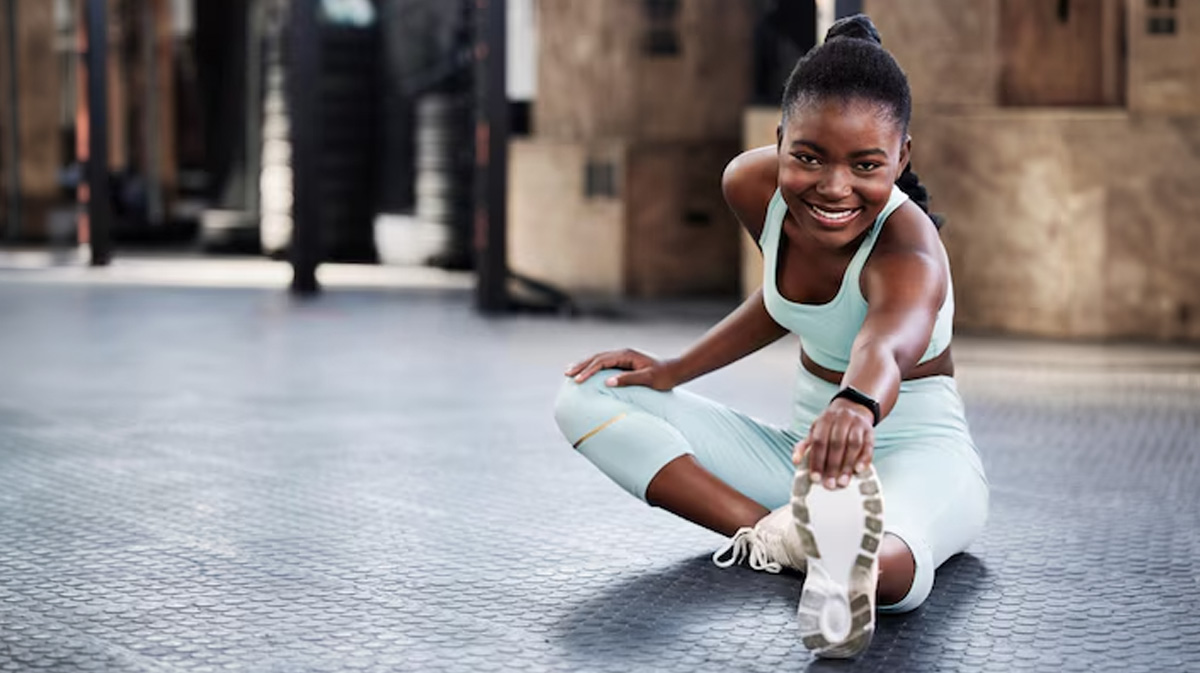
Leg health plays a crucial role in overall well-being, yet it is often overlooked until discomfort or serious issues arise. The legs are responsible for supporting body weight, enabling movement, and maintaining balance. One of the most important factors in maintaining healthy legs is proper blood flow, which ensures that muscles, tissues, and nerves receive the oxygen and nutrients they need to function effectively.
Blood circulation in the legs can be affected by a variety of factors, including a sedentary lifestyle, poor diet, aging, and certain medical conditions. When circulation is compromised, it can lead to symptoms such as swelling, fatigue, numbness, or even more serious complications like blood clots or varicose veins. Improving blood flow is therefore essential not only for comfort but also for long-term health.
Regular physical activity is one of the most effective ways to enhance circulation in the legs. Activities such as walking, cycling, swimming, and stretching help stimulate blood flow by engaging the muscles, which act as pumps to push blood back toward the heart. Even short, consistent periods of movement throughout the day can make a significant difference.
Strength training also contributes to better leg health. Exercises like squats, lunges, and calf raises help build muscle, which supports circulation and improves overall endurance. Stronger muscles can more efficiently assist in moving blood through the veins, reducing the likelihood of stagnation and related issues.
Another key factor in promoting healthy blood flow is maintaining a balanced diet. Foods rich in vitamins, minerals, and antioxidants—such as leafy greens, berries, nuts, and whole grains—support vascular health. Staying hydrated is equally important, as proper fluid levels help maintain blood volume and circulation.
Compression garments, such as socks or stockings, can be beneficial for individuals who experience poor circulation. These garments apply gentle pressure to the legs, helping veins move blood more efficiently. They are especially useful for people who stand or sit for long periods, such as office workers or travelers.
Elevating the legs periodically throughout the day can also improve circulation. By raising the legs above heart level, gravity assists in returning blood to the upper body, reducing swelling and discomfort. This simple practice can be particularly helpful after long periods of standing or sitting.
Posture and body positioning play a subtle but important role in leg health. Sitting with legs crossed or remaining in one position for too long can restrict blood flow. Making a conscious effort to shift positions, stretch, and stand periodically helps prevent circulation from becoming sluggish.
Massage therapy can further enhance blood flow in the legs. Gentle massage stimulates the tissues and encourages the movement of blood and lymphatic fluids. This not only improves circulation but can also reduce muscle tension and promote relaxation.
Avoiding harmful habits is equally important. Smoking, for example, damages blood vessels and restricts circulation, significantly impacting leg health. Limiting alcohol consumption and managing stress can also contribute to healthier blood flow and overall vascular function.
Monitoring and managing underlying health conditions is critical for maintaining proper circulation. Conditions such as diabetes, high blood pressure, and high cholesterol can all negatively affect blood flow. Regular check-ups and adherence to medical advice help keep these conditions under control and protect leg health.
Ultimately, improving leg health through better blood flow requires a combination of lifestyle changes, awareness, and consistency. By staying active, eating well, and adopting healthy habits, individuals can support their circulation and reduce the risk of complications. Healthy legs are essential for mobility and quality of life, making their care a vital part of overall wellness.