Harmony Roots Shape Global Sound
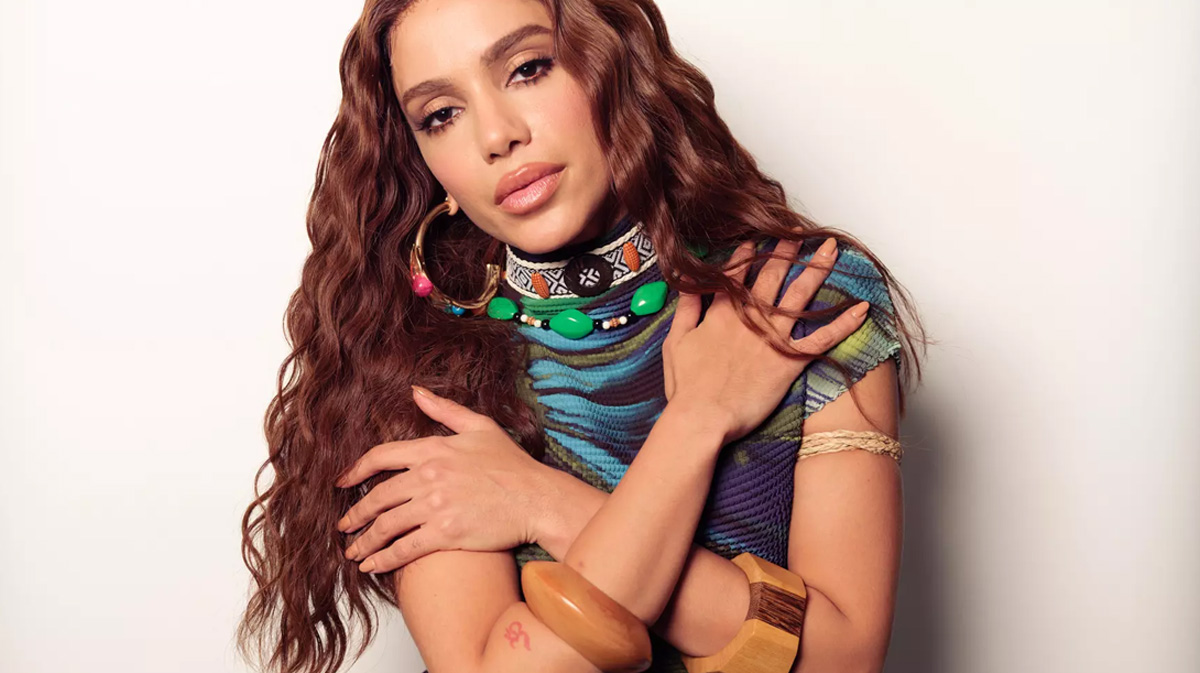
The album Equilibrium represents a deeply personal and cultural statement from Anitta, who describes it as her “most Brazilian” project to date. It is framed as a deliberate return to her roots, blending identity, spirituality, and sound into a cohesive artistic vision.
This project marks a noticeable shift from her previous release, Funk Generation, which focused heavily on Brazilian funk. That earlier album celebrated the high-energy genre known as funk carioca, rooted in Rio de Janeiro’s favelas and shaped by African rhythms, electronic beats, and rap influences.
While funk remains present, Equilibrium expands far beyond a single genre. The album incorporates a wide range of Brazilian musical traditions and influences, reflecting the diversity of the country itself. This broader sonic palette allows Anitta to explore new emotional and cultural territory.
Spirituality plays a central role in the album’s themes. Several tracks draw from Yoruba traditions and reference Orishas—divine spirits from West African religion. Songs like “Nanã” highlight these influences, bringing sacred elements into a contemporary musical context.
Anitta also reflects on her personal understanding of God and spirituality. Rather than presenting a single doctrine, she explores multiple perspectives, emphasizing openness and introspection. This approach reinforces the album’s broader message of unity and coexistence.
Her willingness to address Afro-Brazilian religions connects to her past work, including visuals tied to Candomblé, which sparked controversy in Brazil. Religious intolerance remains an issue, making her artistic choices both bold and socially significant.
Advocacy has long been part of Anitta’s public identity. Through her music and imagery, she consistently uplifts marginalized communities, including Black Brazilians, LGBTQ+ individuals, women, and residents of favelas. Equilibrium continues this commitment.
Collaboration is another defining feature of the album. Brazilian artists such as Melly, Liniker, and the band Ponto de Equilíbrio contribute to its rich and varied sound. These partnerships reinforce the album’s sense of community and shared cultural expression.
The track “Choka Choka,” featuring Shakira, adds an international dimension. Despite Shakira’s global presence, the song remains rooted in Brazilian identity, even incorporating Portuguese lyrics to honor Anitta’s culture.
At its core, the album carries a universal message: humanity is interconnected. Anitta emphasizes respect for differences—whether cultural, spiritual, or personal—as essential to harmony. This idea becomes the philosophical backbone of the project.
Musically, the album balances bold experimentation with accessibility. Songs move fluidly between energetic club rhythms and softer, introspective moments, blending traditional instruments with modern production techniques.
Ultimately, Equilibrium is both a celebration and a statement. It affirms Anitta’s artistic independence while promoting a vision of unity through diversity. By merging global appeal with deeply local roots, she creates a work that feels both intimate and expansive.