Bilal’s Journey Through Soulful Innovation
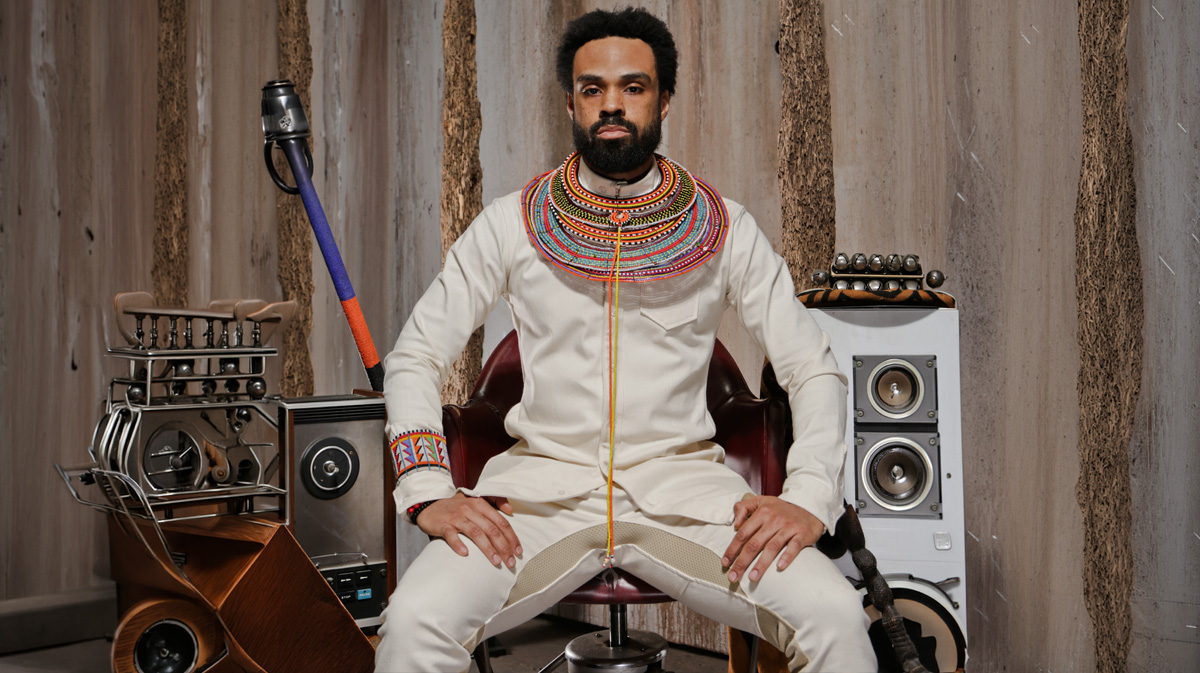
Bilal is widely recognized for his distinctive blend of soul, jazz, funk, and R&B music. Emerging during the rise of neo-soul in the late 1990s and early 2000s, he quickly separated himself from many of his peers through his fearless experimentation and extraordinary vocal range. His sound combines classic influences with modern creativity, allowing him to develop a style that feels timeless yet unpredictable.
Born in Philadelphia, Pennsylvania, Bilal grew up surrounded by music and cultural diversity. His early exposure to jazz, gospel, and soul helped shape his artistic identity from a young age. He later attended the New School for Jazz and Contemporary Music in New York City, where he refined his musical skills and developed a deeper understanding of composition and performance. This formal training contributed greatly to the sophistication heard throughout his career.
Bilal gained mainstream attention after releasing his debut album, 1st Born Second, in 2001. The project included the hit single “Soul Sista,” which showcased his smooth vocals and emotionally expressive delivery. Critics praised the album for balancing traditional soul elements with modern production techniques. The release established him as one of the most promising voices in contemporary R&B at the time.
One of the most remarkable aspects of Bilal’s artistry is his vocal flexibility. He effortlessly shifts between soft falsettos, gritty growls, and powerful high notes, creating performances that feel deeply emotional and technically impressive. His improvisational abilities also make his live shows memorable experiences for audiences. Many fans compare his spontaneity and musical freedom to legendary jazz performers.
Although Bilal achieved critical acclaim early in his career, his journey in the music industry was not always smooth. His unreleased second album, Love for Sale, became famous after leaking online before its official release. Despite strong fan support and critical admiration, the project faced label complications that delayed his momentum in mainstream music. However, the leak eventually gained cult status among listeners who appreciated its bold and experimental sound.
Rather than conforming to commercial expectations, Bilal chose to continue exploring creative freedom in his music. Albums such as Airtight’s Revenge and In Another Life demonstrated his willingness to push artistic boundaries. These projects incorporated psychedelic influences, live instrumentation, and unconventional songwriting structures. His refusal to follow trends helped him maintain authenticity throughout his career.
Bilal has collaborated with many influential artists across multiple genres. He worked with musicians such as Kendrick Lamar, Beyoncé, and Common, contributing vocals and songwriting that added emotional depth to their projects. These collaborations revealed his versatility and ability to adapt to different musical styles while still preserving his unique identity.
His contribution to To Pimp a Butterfly by Kendrick Lamar introduced Bilal to a new generation of listeners. The album’s fusion of jazz, funk, hip-hop, and spoken word aligned perfectly with Bilal’s artistic strengths. His vocals helped create the album’s rich emotional atmosphere, and many listeners praised his performances as highlights of the project.
Bilal’s music often explores themes of love, spirituality, personal growth, and social awareness. His lyrics tend to be introspective and poetic, encouraging listeners to think deeply about emotions and human experiences. Unlike artists who focus primarily on commercial appeal, Bilal frequently prioritizes artistic expression and emotional honesty. This approach has earned him a loyal and passionate fan base.
Critics have consistently praised Bilal for his originality and musicianship. Even though he may not always dominate mainstream charts, he is widely respected within the music industry for his talent and innovation. Fellow artists often describe him as a musician’s musician because of his advanced vocal abilities and fearless creativity. His influence can be heard in many younger artists experimenting with alternative R&B sounds.
Live performance remains one of Bilal’s greatest strengths as an artist. His concerts are known for their energy, improvisation, and emotional intensity. Rather than simply reproducing studio recordings, he transforms songs into evolving musical experiences that feel fresh each time they are performed. This unpredictability keeps audiences engaged and highlights his deep connection to jazz traditions.
Bilal’s legacy continues to grow as more listeners discover his work and appreciate his artistic courage. He represents the importance of individuality in music and demonstrates that creativity can thrive outside mainstream expectations. Through his powerful voice, experimental style, and commitment to authenticity, Bilal has secured a lasting place in the history of modern soul and alternative R&B music.