The Dap Changed Black Brotherhood
The Vietnam War was one of the most challenging periods in American history, but it also became the birthplace of an enduring cultural tradition among Black soldiers known as the dap. More than a handshake, the dap was a unique greeting that symbolized brotherhood, mutual respect, survival, and Black pride. It emerged during a time when African American service members were fighting for freedom abroad while still facing racial discrimination at home and within the military itself.
Black soldiers were disproportionately represented on the front lines in the early years of the Vietnam War. Many entered the military hoping to prove themselves or because they had been drafted. Once in Vietnam, however, they often encountered unequal treatment, limited opportunities for promotion, and racial prejudice. These shared experiences strengthened the bonds between Black troops and inspired them to create their own forms of solidarity.
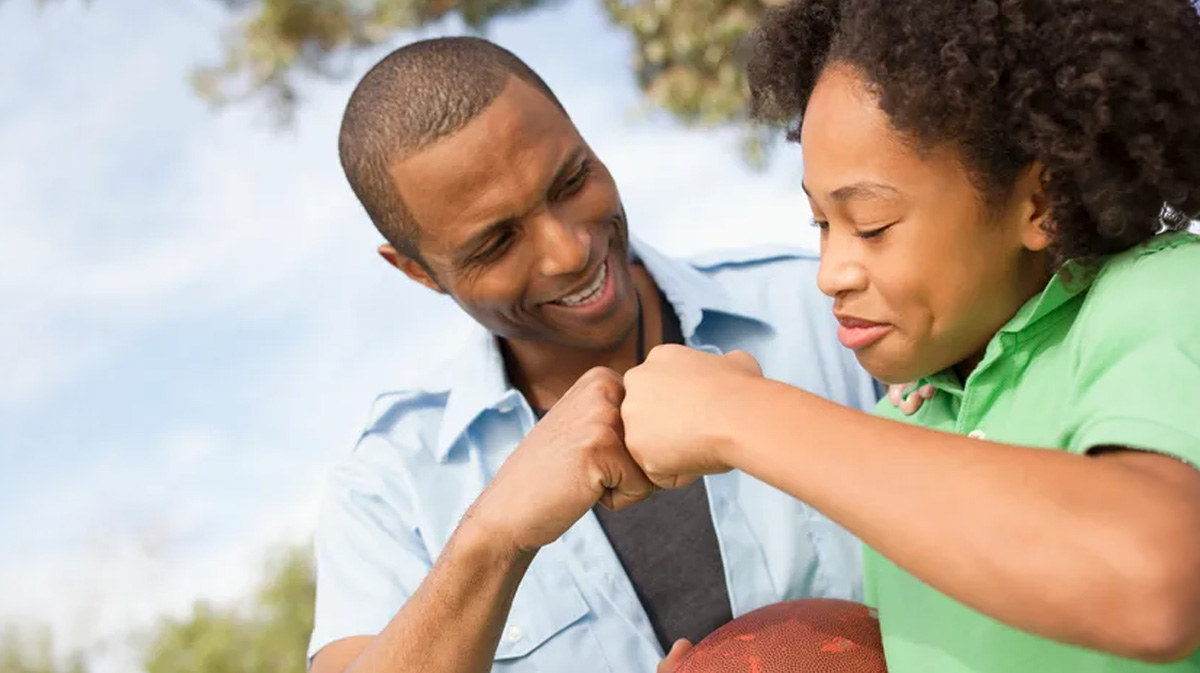
The dap grew out of that need for unity. Rather than using a traditional military handshake, Black soldiers developed an elaborate series of hand slaps, grips, snaps, fist bumps, and finger movements. Every variation carried meaning, signaling trust, friendship, and a shared understanding of the challenges they faced. Learning the dap became a way of recognizing someone as part of the community.
Many historians believe the word “dap” evolved from the phrase “Dignity and Pride.” Whether or not that was the original meaning, the expression perfectly captured what the greeting represented. In an environment where many Black soldiers felt marginalized, the dap became a visible declaration of self-respect and cultural identity.
The greeting was also influenced by the growing Black Power movement taking place in the United States during the late 1960s. Ideas of racial pride, self-determination, and cultural awareness reached Vietnam through newspapers, magazines, letters, and conversations with newly arriving troops. The dap reflected those ideals in a simple but powerful daily ritual.
Unlike a quick handshake, the dap often unfolded as a carefully choreographed exchange. Each participant responded to the other’s movements with precision, creating a rhythm that resembled a dance. These greetings could last several seconds and varied from one military unit to another, allowing different groups to develop their own signature versions.
The dap helped establish trust in dangerous situations. When soldiers depended on one another for survival, the greeting reinforced loyalty and reminded them that they were not facing hardship alone. It became an emotional connection as much as a physical gesture, strengthening morale during long deployments far from home.
After returning from Vietnam, many veterans brought the dap back to their neighborhoods, colleges, workplaces, and churches. It quickly spread beyond military circles into Black communities across the United States. Young people embraced the greeting, adapting and expanding it into new forms that reflected local styles and personalities.
The influence of the dap can still be seen today in greetings exchanged among friends, athletes, entertainers, and professionals. Modern fist bumps, hand slaps, and personalized handshakes all owe something to the innovations of those Vietnam veterans. While the movements have evolved, the underlying message of respect and connection remains remarkably similar.
The dap also left its mark on popular culture. Movies, television, sports, and music have featured variations of the greeting, often without audiences realizing its origins. What began as a meaningful expression among Black soldiers in Vietnam eventually became part of mainstream American culture, demonstrating how military experiences can shape society in unexpected ways.
Today, scholars view the dap as more than a greeting. It represents a form of cultural resilience—a creative response to discrimination that transformed hardship into solidarity. It reminds us that even in the most difficult circumstances, people find ways to express dignity, build community, and preserve their identity.
The legacy of the dap continues to honor the experiences of Black Vietnam veterans. Their innovation created a lasting cultural symbol that transcended the battlefield and became woven into everyday life. More than half a century later, every meaningful clasp of hands or personalized handshake echoes the spirit of those soldiers who transformed a simple greeting into a lasting expression of dignity, pride, and brotherhood.