Building a Strong Healthy Heart
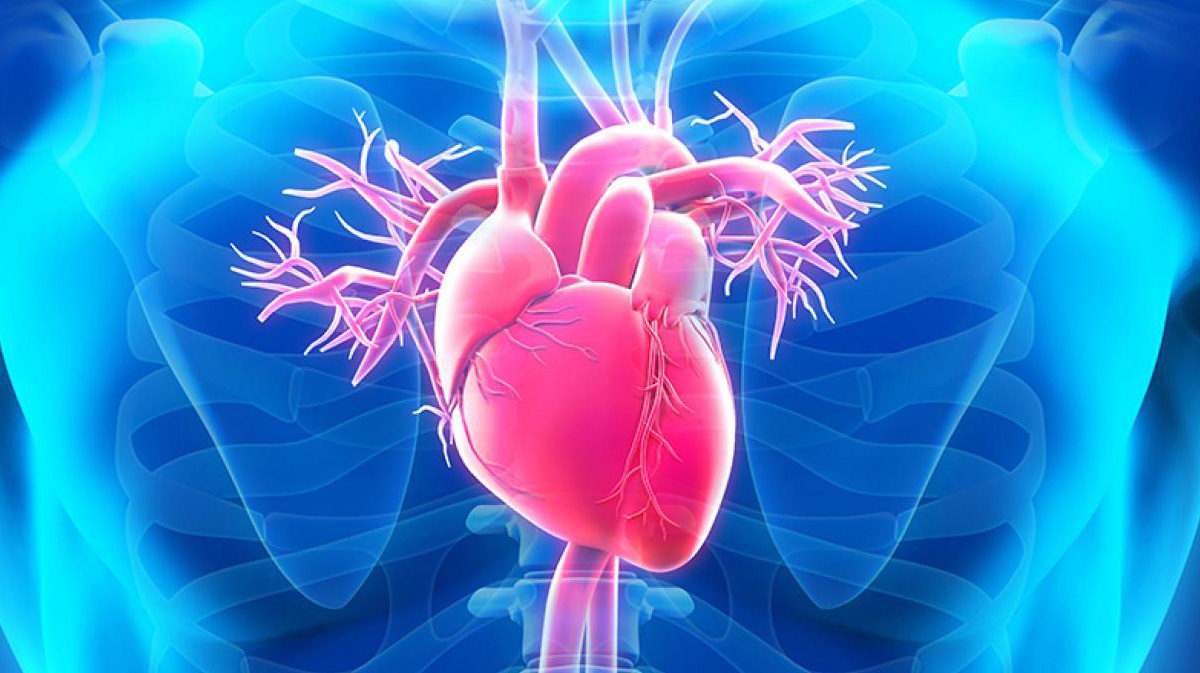
A healthy heart is essential for overall well-being, as it supports every system in the body by pumping oxygen-rich blood to tissues and organs. Maintaining heart health requires a combination of consistent exercise, balanced nutrition, and proactive preventive measures. By adopting these habits early and sustaining them over time, individuals can significantly reduce their risk of cardiovascular disease and improve their quality of life.
Exercise plays a central role in strengthening the heart muscle. Regular physical activity improves circulation, lowers blood pressure, and helps maintain a healthy weight. Activities such as walking, jogging, swimming, and cycling are particularly effective because they elevate the heart rate and promote endurance.
Consistency is more important than intensity when it comes to exercise. Engaging in moderate activity for at least 150 minutes per week can yield substantial benefits. Even simple changes, like taking the stairs or going for a daily walk, can contribute to better cardiovascular health over time.
Strength training is another important component of heart health. While often associated with muscle building, resistance exercises also help reduce body fat, improve metabolism, and support healthy blood sugar levels. These factors collectively reduce strain on the heart.
In addition to physical activity, diet plays a critical role in maintaining a healthy heart. Consuming a variety of nutrient-rich foods ensures the body gets essential vitamins and minerals. A diet rich in fruits, vegetables, whole grains, and lean proteins supports optimal cardiovascular function.
Healthy fats are especially important for heart health. Foods like avocados, nuts, seeds, and olive oil provide beneficial fats that help lower bad cholesterol levels. At the same time, it is important to limit saturated and trans fats, which can increase the risk of heart disease.
Reducing sodium intake is another key dietary strategy. Excess salt can lead to high blood pressure, which puts extra strain on the heart. Choosing fresh, unprocessed foods and reading nutrition labels can help manage sodium consumption effectively.
Sugar intake should also be monitored carefully. Diets high in added sugars can contribute to obesity, diabetes, and inflammation, all of which negatively impact heart health. Replacing sugary drinks and snacks with healthier alternatives can make a significant difference.
Hydration is often overlooked but is vital for cardiovascular function. Drinking enough water helps maintain proper blood volume and supports efficient circulation. Staying hydrated also aids in regulating body temperature during physical activity.
Preventive measures are equally important in maintaining heart health. Regular medical check-ups allow for early detection of potential issues such as high blood pressure or elevated cholesterol levels. Early intervention can prevent more serious complications.
Managing stress is another crucial preventive step. Chronic stress can increase heart rate and blood pressure, leading to long-term damage. Techniques such as meditation, deep breathing, and mindfulness can help reduce stress and promote relaxation.
Adequate sleep is essential for heart health as well. Poor sleep patterns are linked to increased risks of hypertension, obesity, and heart disease. Striving for seven to nine hours of quality sleep each night supports overall cardiovascular function.
Avoiding harmful habits like smoking and excessive alcohol consumption is critical. Smoking damages blood vessels and reduces oxygen in the blood, while excessive alcohol can weaken the heart muscle. Eliminating or reducing these behaviors greatly benefits heart health.
Building a support system can also encourage healthy habits. Friends, family, or community groups can provide motivation and accountability for maintaining exercise routines and healthy eating patterns. Social support plays a powerful role in long-term success.
In conclusion, achieving and maintaining a healthy heart requires a balanced approach that includes regular exercise, a nutritious diet, and effective preventive strategies. By making informed lifestyle choices and staying consistent, individuals can protect their heart health and enjoy a longer, more active life.
Can you make the paragraphs fuller?
Building a Strong Healthy Heart
A healthy heart is essential for overall well-being, as it continuously pumps oxygen-rich blood throughout the body, supplying tissues and organs with the nutrients they need to function properly. Without a strong and efficient cardiovascular system, even simple daily activities can become challenging. Maintaining heart health is not something that happens by chance; it requires conscious effort and lifestyle choices that support long-term wellness. By focusing on regular exercise, a balanced diet, and preventive care, individuals can greatly reduce their risk of heart disease and improve both longevity and quality of life.
Exercise plays a central role in strengthening the heart muscle and improving overall cardiovascular efficiency. When you engage in physical activity, your heart works harder to circulate blood, which over time makes it stronger and more resilient. Activities such as brisk walking, jogging, swimming, and cycling are especially effective because they elevate the heart rate and encourage endurance. These forms of aerobic exercise also improve oxygen use in the body, allowing the heart and lungs to function more efficiently together.
Incorporating exercise into your daily routine does not require extreme effort or expensive equipment. Simple lifestyle changes, like walking instead of driving short distances or taking the stairs instead of the elevator, can add up significantly over time. The key is to stay consistent and make movement a natural part of your day. Even light activity, when done regularly, contributes to improved circulation and reduced strain on the heart.
Consistency is more important than intensity when it comes to maintaining heart health through exercise. Health experts often recommend at least 150 minutes of moderate aerobic activity per week, which can be broken down into manageable sessions. This might include 30 minutes of exercise five days a week, making it easier to fit into a busy schedule. Establishing a routine helps build discipline and ensures that exercise becomes a lasting habit rather than a temporary effort.
Strength training is another important aspect of a heart-healthy lifestyle. While many people associate weightlifting with building muscle, it also provides cardiovascular benefits. Resistance exercises help reduce body fat, improve insulin sensitivity, and increase metabolism. These changes lower the overall workload on the heart and reduce the risk of conditions such as obesity and type 2 diabetes, both of which are linked to heart disease.
Diet plays an equally vital role in maintaining a healthy heart, as the foods we consume directly affect cholesterol levels, blood pressure, and overall cardiovascular function. A balanced diet includes a variety of nutrient-dense foods that provide essential vitamins, minerals, and antioxidants. Fruits, vegetables, whole grains, and lean proteins form the foundation of a heart-healthy eating plan and help support optimal bodily function.
Fruits and vegetables are particularly important because they are rich in fiber, vitamins, and antioxidants that protect the heart. Fiber helps lower cholesterol levels by binding to it in the digestive system and removing it from the body. Antioxidants, on the other hand, combat inflammation and oxidative stress, both of which can damage blood vessels and contribute to heart disease over time.
Healthy fats are also essential for maintaining cardiovascular health. Contrary to common belief, not all fats are harmful. Unsaturated fats found in foods like avocados, nuts, seeds, and olive oil can help reduce levels of low-density lipoprotein (LDL), often referred to as “bad” cholesterol. Replacing saturated and trans fats with these healthier options can significantly lower the risk of plaque buildup in the arteries.
Reducing sodium intake is another critical component of a heart-healthy diet. High sodium consumption is closely linked to elevated blood pressure, which forces the heart to work harder than necessary. Over time, this added strain can lead to serious cardiovascular problems. Choosing fresh, whole foods instead of processed items and being mindful of seasoning choices can help keep sodium levels in check.
Limiting added sugars is equally important for protecting heart health. Diets high in sugar contribute to weight gain, insulin resistance, and increased triglyceride levels, all of which are risk factors for heart disease. By cutting back on sugary drinks, desserts, and processed snacks, individuals can improve their overall metabolic health and reduce the burden on their cardiovascular system.
Hydration is often overlooked, yet it plays a crucial role in maintaining proper heart function. Water helps regulate blood volume, ensuring that the heart can pump efficiently without unnecessary strain. Proper hydration also supports kidney function, which in turn helps regulate blood pressure. Drinking enough water throughout the day is a simple but effective way to support cardiovascular health.
Preventive measures are essential for identifying and addressing potential heart health issues before they become serious. Regular medical check-ups, including blood pressure and cholesterol screenings, allow individuals to monitor their cardiovascular health and make necessary adjustments. Early detection of risk factors can lead to timely interventions that prevent more severe conditions.
Managing stress is another important aspect of heart health that is often underestimated. Chronic stress can lead to increased heart rate, elevated blood pressure, and unhealthy coping behaviors such as overeating or smoking. Practicing relaxation techniques like meditation, deep breathing, or yoga can help reduce stress levels and promote a sense of calm, ultimately benefiting the heart.
Getting adequate sleep is also vital for maintaining a healthy cardiovascular system. During sleep, the body repairs and regenerates, allowing the heart and blood vessels to recover from daily stress. Poor sleep quality or insufficient rest has been linked to higher risks of hypertension, obesity, and heart disease. A consistent sleep schedule and a restful environment can greatly improve sleep quality.
In conclusion, maintaining a healthy heart requires a comprehensive approach that includes regular physical activity, a balanced and nutritious diet, and effective preventive strategies. Each of these elements works together to support cardiovascular function and reduce the risk of disease. By making thoughtful lifestyle choices and staying committed to healthy habits, individuals can protect their heart and enjoy a longer, more active, and fulfilling life.