Rhythms Beyond Borders Inspire Greatness
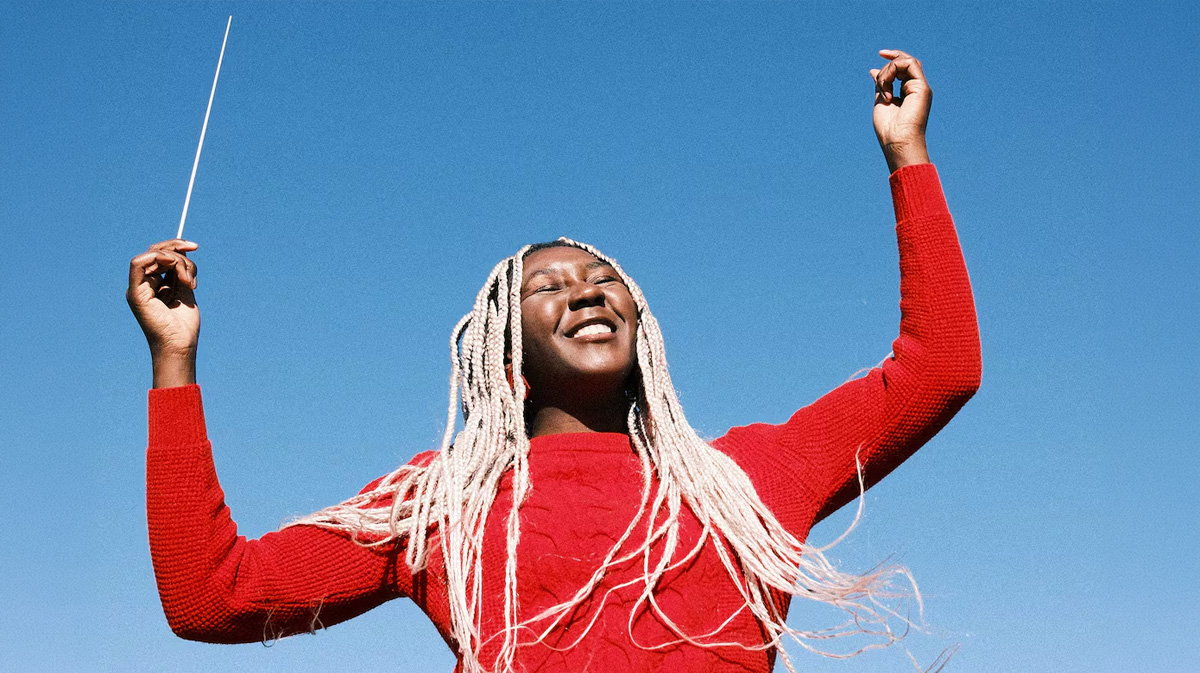
Yudania Gómez Heredia has emerged as one of the most compelling young musical figures of her generation. Known for her passionate conducting style, deep understanding of orchestral music, and fearless artistic vision, she represents a new wave of musicians who move comfortably between classical traditions and modern cultural expression. Born in Villa Clara, Cuba, she has transformed years of rigorous musical training into an international career that continues to attract admiration from audiences and fellow musicians alike. Through her work as a conductor, composer, and organist, she has demonstrated that music can bridge continents, cultures, and generations.
From an early age, Gómez Heredia displayed a fascination with artistic performance and musical structure. Her studies began in Cuba’s respected arts education system, where she trained in singing, music theory, choral conducting, and composition. Those formative years helped develop her disciplined approach to music while also nurturing her creative imagination. The strong musical traditions of Cuba gave her an understanding of rhythm, emotional storytelling, and performance energy that would later become hallmarks of her conducting style.
Her academic journey continued at the Instituto Superior de Arte in Havana, one of Cuba’s leading institutions for artistic education. There she refined her technical abilities and expanded her understanding of orchestral and choral music. Rather than limiting herself to a single specialty, she pursued multiple musical disciplines simultaneously. This broad training enabled her to understand music from the perspectives of performer, composer, conductor, and educator. Such versatility later became one of her greatest strengths in professional settings.
In 2015, Gómez Heredia moved to Germany, a transition that profoundly shaped her career. Immersing herself in European classical traditions, she studied church music in Regensburg with a focus on organ improvisation. Living and studying in Germany introduced her to centuries of sacred and orchestral musical heritage while challenging her to adapt to a new cultural environment. The experience deepened both her musical sensitivity and her artistic confidence.
Her time in Germany also led to advanced studies at the Nuremberg University of Music, where she completed master’s degrees in choral conducting and orchestral conducting. These years were marked by intense study, rehearsals, and collaborations with ensembles across Europe. Her conducting style developed into a unique blend of precision and emotional openness. Musicians working with her often noted the energy she brought to rehearsals and performances, along with her ability to communicate complex musical ideas clearly and passionately.
As her reputation grew, Gómez Heredia began conducting a wide variety of ensembles, ranging from chamber orchestras to symphonic groups and choirs. She worked with organizations in Germany, Spain, Brazil, and other countries, steadily building an international profile. Her versatility allowed her to move effortlessly between sacred music, contemporary works, orchestral repertoire, and opera productions. This adaptability demonstrated her belief that music should remain dynamic, evolving, and accessible rather than confined by tradition alone.
In addition to conducting, Gómez Heredia has established herself as an accomplished composer. Her compositions reflect influences from Cuban musical traditions, European classical forms, and modern experimental techniques. She has written piano pieces, choral works, chamber music, and orchestral compositions that reveal her fascination with rhythm, texture, and emotional storytelling. Many of her works combine intellectual complexity with lyrical warmth, making them engaging for both performers and audiences.
Her achievements have been recognized through numerous awards and honors. She received distinctions in international conducting competitions and earned praise for her compositions and artistic leadership. These accolades reflected not only her technical excellence but also her determination to succeed in a field where women conductors, particularly women from Latin America, have historically been underrepresented. Her success has therefore carried significance beyond music alone, inspiring younger musicians who see in her career a model of perseverance and possibility.
One of the most widely discussed moments in her recent career came through her collaboration with Rosalía during the ambitious “Lux Tour.” Gómez Heredia became the conductor leading the Heritage Orchestra for the production, helping shape the tour’s dramatic orchestral atmosphere. Her involvement reportedly began after she posted an insightful online musical analysis of Rosalía’s work, demonstrating both her scholarly understanding and her enthusiasm for contemporary music. The collaboration introduced her to a much broader audience beyond the traditional classical world.
Audiences around the world quickly became captivated by her expressive conducting style during live performances. Videos of her conducting circulated widely on social media, where viewers praised her energy, charisma, and emotional connection to the music. Many people who had never closely followed orchestral performance found themselves fascinated by her presence on stage. In this way, Gómez Heredia became an ambassador for classical music, helping younger and more diverse audiences appreciate orchestral artistry in a fresh and exciting context.
What makes Gómez Heredia especially significant is her refusal to separate classical music from modern culture. She approaches music as a living art form capable of evolving through collaboration, experimentation, and dialogue with contemporary audiences. Whether conducting opera, composing sacred music, or collaborating with global pop artists, she maintains a respect for tradition while embracing innovation. Her career challenges outdated assumptions about who classical music belongs to and how it can be presented in the modern world.
As her international career continues to grow, Yudania Gómez Heredia stands as a symbol of artistic courage, discipline, and cultural connection. Her journey from Cuba to Europe and onto major international stages illustrates the transformative power of dedication and creativity. Through her conducting, compositions, and collaborations, she has shown that music remains one of humanity’s most powerful universal languages. Her story continues to inspire audiences and musicians alike, proving that true artistry can transcend borders while remaining deeply connected to its roots.