Jean Baptiste Pointe Du Sable’s Legacy
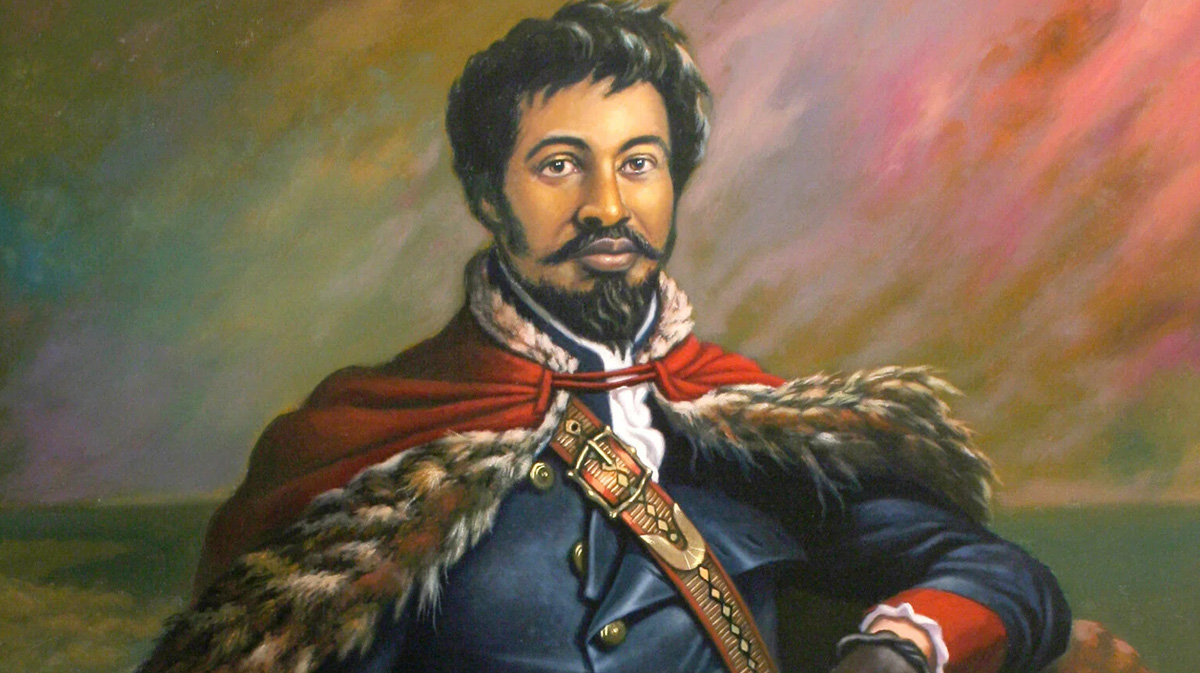
Jean Baptiste Pointe du Sable is widely recognized as the founder of Chicago and one of the most remarkable figures in early American history. A successful trader, entrepreneur, and pioneer, he established a thriving settlement at the mouth of the Chicago River decades before the city officially existed. His story reflects the diverse cultural influences that shaped early America and demonstrates how one determined individual helped lay the foundation for one of the world’s greatest cities.
Born around 1745 in the French colony of Saint-Domingue, now Haiti, Du Sable was believed to have been the son of a French mariner and an African mother. Growing up in a multicultural environment gave him knowledge of several languages and customs, skills that later proved invaluable in the North American fur trade. Although many details of his early life remain uncertain, historians agree that his mixed heritage and broad education prepared him for a life of exploration and commerce.
As a young man, Du Sable traveled throughout the Great Lakes region, becoming familiar with the waterways that connected Indigenous communities, European traders, and colonial settlements. He developed strong relationships with Native American nations, particularly the Potawatomi people. These partnerships were built on mutual respect and trust, enabling him to conduct business successfully across cultural boundaries.
Around the 1770s or early 1780s, Du Sable established a permanent trading post at the strategic location where the Chicago River meets Lake Michigan. His settlement included a well-built home, barns, storage buildings, livestock, orchards, and cultivated farmland. Far more than a simple cabin, it was a prosperous commercial center that served travelers, traders, and Native American communities moving through the region.
Du Sable’s trading business flourished because of its ideal location. He exchanged furs, grain, tools, textiles, and other goods with Native American tribes, French settlers, British merchants, and later American traders. His reputation for honesty and fair dealing made him one of the most respected businessmen in the frontier economy. His success demonstrated that commerce could unite people from vastly different backgrounds.
His wife, Kitihawa, also known as Catherine, was a member of the Potawatomi Nation. Together they raised a family and managed their growing enterprise. Their partnership reflected the cultural blending common on the frontier, where families often bridged European and Indigenous traditions while contributing to the economic and social development of the region.
Although Du Sable built the first lasting settlement in what became Chicago, his achievements were overlooked for many years. During the nineteenth century, many historical accounts minimized or ignored the contributions of African Americans and people of mixed heritage. As a result, generations of schoolchildren learned little about the man whose vision and enterprise established Chicago’s earliest permanent community.
Modern historians have worked to restore Du Sable to his rightful place in American history. Research into land records, trading documents, and eyewitness accounts has confirmed the importance of his settlement. Today, scholars recognize that Chicago’s development began not with government officials or military leaders, but with a skilled Black entrepreneur who understood the value of geography, commerce, and cooperation.
Chicago now honors Du Sable in numerous ways. The DuSable Museum of African American History preserves and celebrates African American history and culture, while schools, parks, streets, and public monuments throughout the city bear his name. These tributes acknowledge both his pioneering accomplishments and the broader contributions of African Americans to the nation’s history.
Du Sable’s life also highlights the importance of diversity in the American story. His African and French heritage, his marriage into the Potawatomi community, and his ability to work across cultural lines illustrate that America’s earliest frontier was shaped by cooperation among people from many backgrounds. His success challenges outdated narratives that overlook the contributions of people of color during the nation’s formative years.
The legacy of Jean Baptiste Pointe du Sable extends far beyond the founding of Chicago. He demonstrated that vision, integrity, and perseverance could transform an isolated trading post into the beginning of a major city. His achievements continue to inspire entrepreneurs, historians, and civic leaders who recognize the importance of inclusive histories and the value of cross-cultural understanding.
Today, as Chicago continues to grow as a global center of business, culture, and innovation, the story of Jean Baptiste Pointe du Sable serves as a reminder that great cities often begin with the courage and determination of a single individual. His life stands as a testament to resilience, enterprise, and the enduring contributions of African Americans to the development of the United States.